en
Language
SEARCH
-
AllTradingPlatformsAcademyAnalysisPromotionsAbout
-
Search query too short. Please enter a full word or phrase.
-
Keywords
- Forex Trading
- Vantage Rewards
- Trading Fees
Popular Search
- Trading Accounts
- MT4
- MT5
- TradingView
- Promotions
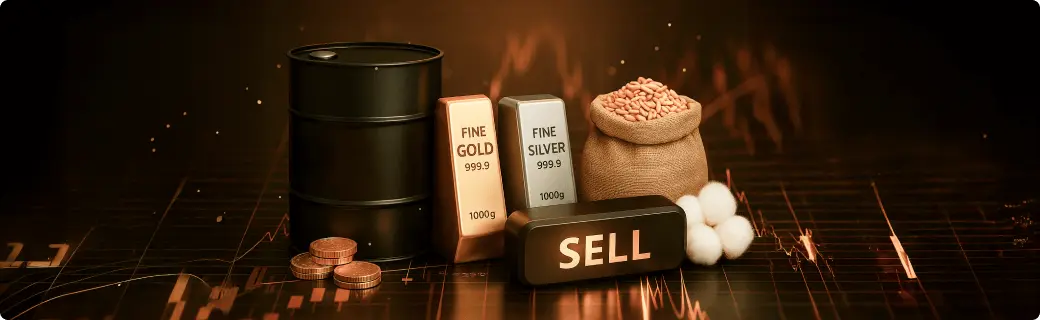
Commodities trading offers potential diversification opportunities and is often considered in strategies to manage inflation risks. From gold and oil to agricultural products, these tangible assets often move independently of stocks and bonds—providing traders with alternative ways to navigate various market conditions.
Benefits of Commodities Trading via CFDs
Commodities offer unique characteristics that traditional assets like stocks and bonds may not provide. From portfolio diversification to trading physical assets such as gold, oil, and wheat, commodities can offer potential opportunities in various market conditions—whether prices are rising or falling.
Inflation Hedge
Commodities have historically been viewed as assets that may perform differently During periods of rising prices. commonly traded assets like gold and oil have sometimes been seen as alternative investments in such times.
For example, during the 1970s oil crisis, crude oil prices surged sharply, highlighting how commodities can experience significant price movements in response to inflationary pressures. Gold has also historically retained its value during times of inflation, reinforcing its role as a potential store of value.
Portfolio Diversification
Diversification involves spreading your investment capital across various asset classes, industries, or geographic regions to help manage risk and potentially enhance overall stability.
Commodities may help reduce volatility due to their lower correlation with stocks and bonds. As they often respond to different economic forces—such as supply shocks, geopolitical events, or inflation—commodities might provide a counterbalance to other asset classes during periods of market stress.
| Asset Class | Correlation with Stocks | Correlation with Bonds |
|---|---|---|
| Commodities | Low | Low |
| Stocks | – | Moderate |
| Bonds | Moderate | – |
Global Demand and Supply Dynamics
Commodity prices are largely influenced by global demand and supply forces. For instance, oil prices can fluctuate based on geopolitical tensions or changes in production levels by major oil-producing countries.
The Organisation of the Petroleum Exporting Countries (OPEC) and its allies, collectively known as OPEC+, are key players in the oil market, influencing prices through coordinated supply adjustments. By managing production levels, OPEC+ aims to balance global supply with demand, and their decisions can lead to shifts in oil prices due to their control over a large share of the world’s output.
Meanwhile, agricultural commodities, such as wheat and corn, are sensitive to weather conditions and export demand. Gold prices may rise in response to economic uncertainty, currency fluctuations, or central bank policies.
Understanding these dynamics is important when navigating the commodities market.
Liquidity and Accessibility
Commodity markets are known for their high liquidity, especially for widely traded assets like gold, oil, and natural gas. This liquidity allows traders and investors to enter and exit positions quickly, which can be beneficial in volatile conditions when seeking exposure to global trends.
Leverage Opportunities
Leverage in commodity trading allows traders and investors to control larger positions with a smaller amount of upfront capital. By using borrowed capital, traders can amplify the potential impact of market movements—although it also increases the risk of losses.
For example, with a 10:1 leverage ratio, a trader or investor can control a $10,000 position with just $1,000 in capital.
Risk vs. Reward in Commodity Trading
Commodities CFD trading presents potential opportunities but also involves significant risks. Understanding both can help in developing a more informed trading approach.
Potential Rewards of Commodity Trading
- Commodity prices can be highly volatile, creating opportunities for traders to respond to significant price movements.
- Leverage allows traders to control larger positions with a smaller amount of capital. This means that even a small price movement can magnify both potential gains and losses.
Risks Associated with Commodity Trading
- Commodity markets are highly sensitive to external factors such as geopolitical tensions and natural disasters. These events could disrupt supply chains or demand outlooks, which can cause sudden and unpredictable price movements.
- While leverage can magnify potential gains, it also increases the risk of losses. If the market moves against a leveraged position, traders may incur significant losses, possibly exceeding their initial investment. Effective risk management is essential when trading leveraged products.
Managing Risk in Commodity Trading
- By diversifying capital across various commodities and other asset classes, traders may reduce the impact of adverse price movements in any single market. This approach is commonly used to help manage and balance portfolio exposure to risk.
- Stop-loss orders are a risk management tool that automatically close a position when the price reaches a predetermined level. They are intended to help traders limit losses and manage their capital if the market moves against them.
- Commodity trading requires discipline and a well-structured plan. Traders may find it helpful to avoid impulsive decisions based on emotions and instead rely on thorough analysis and a defined strategy.
Explore More About Commodities Trading
-
How to Trade Commodities
Explore a step-by-step guide on trading commodities, designed to help traders understand the basics and key considerations involved.
-
What are Commodities
Discover how raw materials like gold, oil, and wheat influence global markets. This section breaks down commodity types (hard and soft), their economic significance, and how traders may use them as part of their trading strategies.
-
Commodity Trading Strategies
Explore various strategies that are commonly used in the commodities market, including approaches for short-term trades, trend-following, and long-term portfolio management.

Award-Winning Broker
-
Most Innovative
BrokerFX Broker Tester
-
Best CFD
BrokerGlobal Brands Magazine
-
Best APAC
Region BrokerADVFN International Financial Awards
Trade Commodities CFDS On Different Types Of Trading Platforms
MetaTrader 4
- 30 Built-in technical indicators
- 31 Analytical Charting Tools
- 9 Time-Frames
- 4 Types of trading orders
MetaTrader 5
- 38 Built-in technical indicators
- 44 Analytical Charting Tools
- 21 Time-Frames
- 6 Types of trading orders
TradingView
- 15+ chart types
- 100+ in-built indicators
- 50+ Drawing tools
- 12 alert conditions
Vantage Mobile App
- 55 Deposit Methods Globally
- 220+ Daily Product Analysis
- 16 TradingView Indicators
- 80,000+ Copy Traders
Choose a Trading Account Based on Your Experience Level
-
1
Any level
-
2
Beginner Traders
For beginner traders looking for direct market access with no commissions.
- Tight spreads from 1.1 pip.
- No extra commissions on trading volume.
-
3
Experience Traders
Offering seasoned traders razor-sharp spreads, low commissions, and deep liquidity.
- Tight spreads from 0.0 pip.
- Commisssions from USD$3.00 per standard lot, per side.
-
4
Professional Traders
For professional traders and money managers who trade large volumes.
- Tights spreads from 0.0 pip.
- Commissions from USD$1.50 per standard lot, per side.
-
1
Register
Quick and easy account opening process.
-
2
Fund
Fund your trading account with an extensive choice of deposit methods.
-
3
Trade
Trade with spreads starting as low as 0.0 and gain access to over 1,000+ CFD Instruments.
Frequently Asked Questions
-
1
Is commodity CFD trading riskier than stock CFD trading?
Commodity CFD trading is often considered riskier than stock CFD trading due to the higher leverage and volatility involved.
Commodities tend to be more sensitive to external factors such as geopolitical events, natural disasters, and supply-demand imbalances, which can lead to significant price fluctuations.
-
2
Is commodity CFD trading high risk?
Yes, commodity CFD trading carries a high level of risk. Commodity prices can be highly volatile, influenced by factors such as geopolitical tensions, weather conditions, and broader economic trends.
Additionally, the use of leverage in commodity trading can amplify both gains and losses, increasing the overall risk exposure.
-
3
Are commodities suitable for beginner traders?
Commodities may be accessible for beginner traders. But it’s important to develop a solid understanding of the market and effective risk management practices.
Some traders choose to begin with less volatile commodities and use educational resources to build their knowledge before engaging in more complex trades.
-
4
What factors influence commodity prices?
Commodity prices are influenced by a range of factors, including supply and demand dynamics, currency movements, weather conditions, and market sentiment.
For example, prices may rise when demand exceeds supply and fall when supply outpaces demand. Geopolitical events and trade policies can also contribute to price volatility.
-
5
Which commodity is best for trading via CFDs?
The suitability of a commodity for trading via CFDs depends on the trader’s goals, experience level, risk tolerance, and current market conditions.
Commonly traded commodities include:
Gold: Often viewed as a store of value and used as a hedge during times of inflation or uncertainty.
Crude oil: Known for high liquidity and sensitivity to global economic developments.
Agricultural commodities: Such as wheat and corn, which are influenced by seasonal patterns and weather-related factors.