
en
Language
SEARCH
-
AllTradingPlatformsAcademyAnalysisPromotionsAbout
-
Search query too short. Please enter a full word or phrase.
-
Keywords
- Forex Trading
- Vantage Rewards
- Trading Fees
Popular Search
- Trading Accounts
- MT4
- MT5
- TradingView
- Promotions
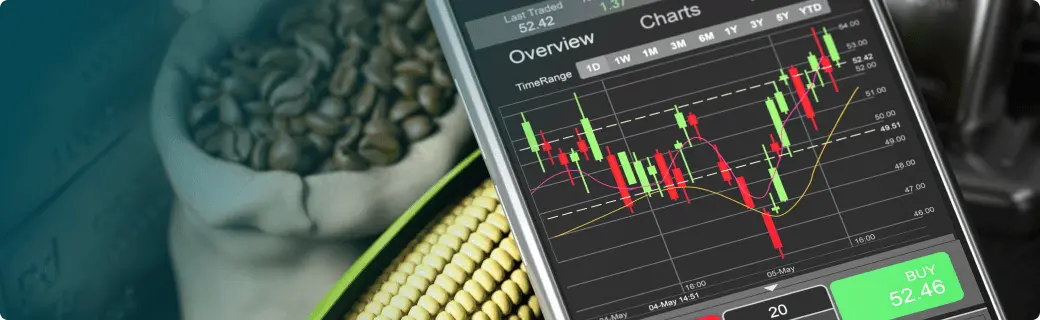
Commodities are basic raw materials or agricultural products—like oil, gold, wheat, and coffee – that are traded in financial markets.
At Vantage, clients trade commodity CFDs—contracts for difference that allow speculation on price movements without owning the underlying assets.
Historically, commodities were at the heart of global trade, shaping economies and societies for centuries. Today, they are used for both consumption and investment.
Soft vs. Hard Commodities
Commodities are generally divided into two broad categories:
- Soft Commodities: Typically grown rather than mined, these include products like coffee, cotton, and soybeans.
- Hard Commodities: Naturally extracted from the earth, these include resources like crude oil (Brent & WTI), gold, and natural gas.
Commodities vs. Other Financial Instruments
| Instrument | What it is | Tangibility | Volatility | Diversification benefit | Example |
|---|---|---|---|---|---|
| Commodities | Raw materials traded in markets. | Physical/tangible | High | High | Trading crude oil during supply shocks. |
| Stocks | Shares of ownership in a company. | Intangible | Medium | Moderate | Trading Apple or Tesla shares. |
| Forex | Exchange of one currency for another, typically traded in pairs. | Intangible | Medium to high | Moderate to high | Trading USD/EUR based on interest rate news. |
| Bonds | Debt instruments issued by governments or corporations. | Intangible | Low to medium | Moderate to high | Buying government bonds for stable income. |
Benefits of Commodities Trading
Commodities could be considered an attractive option for traders and investors due to several key benefits:
- Portfolio Diversification: Low correlation with traditional assets like stocks and bonds.
- Inflation Hedge: Physical commodities often rise in value during inflationary periods.
- Global Trend Opportunities: Commodities often react to global developments such as geopolitical events, supply-demand shifts, and economic cycles, which can influence price movements and market activity.
- High Liquidity and Flexibility: Popular commodities such as oil and gold offer deep, liquid markets that cater to various trading styles.
How Commodity Prices Are Determined
Commodity prices are influenced by a range of dynamic, interconnected factors:
| Supply and Demand | Geopolitical Events | Weather & Seasonality | Economic Indicators |
|---|---|---|---|
| The core driver of prices – scarcity or oversupply directly affects pricing. | Conflicts, trade agreements, and sanctions can disrupt supply chains. | Crucial for agricultural and energy markets—droughts or hurricanes can impact harvests or production. | Global GDP growth, interest rates, and currency fluctuations also play a role. |
Case in point: In 2020, OPEC’s oil production cuts significantly lifted crude oil prices following a period of sharp decline due to pandemic-related demand shocks.
Commodities for Different Trading Strategies
No matter your trading style, commodities can play a valuable role in your strategy.
Short-Term Trading (E.g., Day Trading)
Short-term traders look to capitalise on quick price movements within minutes or hours, usually on the same day. Commodities like crude oil, natural gas, and gold are popular for their high liquidity and volatility, making them ideal for active intraday strategies.
Medium-Term Trading (E.g., Swing Trading)
Medium-term traders hold positions for several days to a few weeks, aiming to benefit from broader market trends or price swings. Commodities respond well to seasonal trends, economic data releases, and geopolitical developments, offering clear setups for swing trades.
Long-Term Trading (E.g., Investment and Portfolio Hedging)
Long-term traders view commodities as a strategic asset class. Positions are held for months or even years to hedge against inflation or economic instability. Gold is often used as a safe-haven, while energy or agricultural assets may be added to diversify a traditional stock-bond portfolio.
Risks and Rewards of Commodity Trading
Commodity trading involves both potential rewards and risks due to market volatility and external influences like trade tensions and geopolitical factors.
- Consider using stop-loss orders to help manage potential losses in volatile markets.
- Stay informed about global news that may affect commodity supply and demand, potentially influencing their prices.
- Diversify across various commodities and asset classes to reduce risk exposure.
- Exercise caution with leverage to help manage the risk of margin calls during periods of high price volatility.
Explore More About Commodities Trading
-
Why Trade Commodities
Learn about the factors that make commodities an important asset class and why traders consider them as part of a diversified trading strategy.
-
How to Trade Commodities
Explore a step-by-step guide on trading commodities, designed to help traders understand the basics and key considerations involved.
-
Commodity Trading Strategies
Explore various strategies that are commonly used in the commodities market, including approaches for short-term trades, trend-following, and long-term portfolio management.
Award-Winning Broker
-
Most Innovative
BrokerFX Broker Tester
-
Best CFD
BrokerGlobal Brands Magazine
-
Best APAC
Region BrokerADVFN International Financial Awards
Trade Commodities CFDS On Different Types Of Trading Platforms
MetaTrader 4
- 30 Built-in technical indicators
- 31 Analytical Charting Tools
- 9 Time-Frames
- 4 Types of trading orders
MetaTrader 5
- 38 Built-in technical indicators
- 44 Analytical Charting Tools
- 21 Time-Frames
- 6 Types of trading orders
TradingView
- 15+ chart types
- 100+ in-built indicators
- 50+ Drawing tools
- 12 alert conditions
Vantage Mobile App
- 55 Deposit Methods Globally
- 220+ Daily Product Analysis
- 16 TradingView Indicators
- 80,000+ Copy Traders
Choose a Trading Account Based on Your Experience Level
-
1
Any level
-
2
Beginner Traders
For beginner traders looking for direct market access with no commissions.
- Tight spreads from 1.1 pip.
- No extra commissions on trading volume.
-
3
Experience Traders
Offering seasoned traders razor-sharp spreads, low commissions, and deep liquidity.
- Tight spreads from 0.0 pip.
- Commisssions from USD$3.00 per standard lot, per side.
-
4
Professional Traders
For professional traders and money managers who trade large volumes.
- Tights spreads from 0.0 pip.
- Commissions from USD$1.50 per standard lot, per side.
-
1
Register
Quick and easy account opening process.
-
2
Fund
Fund your trading account with an extensive choice of deposit methods.
-
3
Trade
Trade with spreads starting as low as 0.0 and gain access to over 1,000+ CFD Instruments.
Frequently Asked Questions
-
1
Why Choose Commodities Over Stocks?
Commodities can provide exposure to global economic trends and may serve as a hedge against inflation or currency risk. Unlike stocks, which are influenced by individual company performance, commodities are impacted by broader macroeconomic factors such as supply and demand shifts, making them a potential consideration during periods of market volatility.
-
2
Can Commodities Diversify My Portfolio Effectively?
Commodities often move independently from traditional assets like stocks and bonds. This low correlation may help reduce the overall risk of a portfolio and provide diversification, particularly during inflationary or uncertain economic periods.
-
3
What Are the Most Volatile Commodities?
Crude oil, natural gas, and agricultural products like coffee and wheat are considered some of the more volatile commodities. Their prices can experience significant fluctuations due to factors such as geopolitical events, weather conditions, or supply disruptions.
-
4
What Makes Commodities Suitable for Beginners?
Commodities involve real-world goods like gold, oil, and corn, which may be easier to conceptualise. However, trading commodity CFDs involves complex risks and is not inherently suitable for all beginners. Education and risk management are essential. Many brokers like Vantage also provide accessible and user-friendly trading platforms and educational resources, making it easier for beginners to get started with proper guidance and effective risk management.
RISK WARNING : CFDs are complex instruments and carry a high risk of losing money rapidly due to leverage. Ensure you understand the risks before trading.
Disclaimer: The information is provided for educational purposes only and doesn't take into account your personal objectives, financial circumstances, or needs. It does not constitute investment advice. We encourage you to seek independent advice if necessary. The information has not been prepared in accordance with legal requirements designed to promote the independence of investment research. No representation or warranty is given as to the accuracy or completeness of any information contained within. This material may contain historical or past performance figures and should not be relied on. Furthermore estimates, forward-looking statements, and forecasts cannot be guaranteed. The information on this site and the products and services offered are not intended for distribution to any person in any country or jurisdiction where such distribution or use would be contrary to local law or regulation.